


So you finally decided to start selling stuff online. You built your ecommerce store, arranged your products neatly, and made it easy for folks to buy without ever leaving their couch. That is a huge win, and you should be proud. But now comes the part nobody warns you about. The traffic just isn’t showing up as you hoped, and the sales are slower than you planned. This is exactly where smart ecommerce internet marketing strategies come into play, and this guide will walk you through the ones that actually work.
Why Traffic and Sales Stall After Launching an Ecommerce Store
Launching a store is a big investment of time, patience, effort, and money. If you put all that into an online shop, of course you want it to succeed. The problem is, building the store is only half the job. A pretty website with no visitors is like opening a shop on an empty street. You need people to find you, trust you, and hit that buy button. Here in Tampa, the competition is fierce. Small businesses from South Tampa to Brandon to St. Pete are all fighting for the same shoppers, and seasonal buying spikes around the holidays and back-to-school make it even tougher. Good internet marketing is what separates the stores that grow from the ones that fizzle out. Below are the strategies we recommend to every store owner we work with.
1. Adopt a Video Marketing Strategy
Why Video Works So Well for Ecommerce
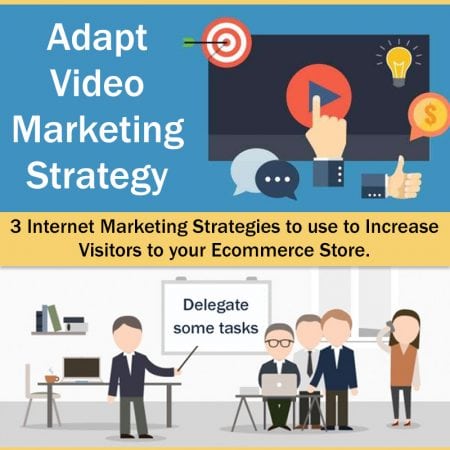
Did you know videos are one of the most powerful tools to increase traffic and conversions on your ecommerce store? If your site is missing short product videos, now is the time to add them. Here is why video pulls its weight:
- Video content ranks well in search engine results
- Video helps you build a real relationship with customers
- Video gives shoppers extra info about your products they can’t get from photos
- It’s super easy to share videos on social networks
Types of Videos to Create
Video gives you the freedom to show off your products in ways plain text never could. Some easy ones to start with are product demos that show the item in action, customer review videos where happy buyers talk about their experience, short social media ads, and how-to clips that teach people how to use what you sell. Each of these builds trust and answers questions before a shopper even asks them. That means less hesitation and more sales.
Tips for Producing High-Quality, Shareable Videos
To achieve real success with video, use high-quality tools and software that produce appealing, clean videos. Good lighting and clear sound go a long way, even if you’re just using a phone. Keep them short, informative and a little bit entertaining, thats the best way to spark attention from new visitors. A great video gets shared all over social networks, and that free sharing brings you traffic you didn’t have to pay for. If filming isn’t your thing, working with a solid video production team in Tampa can save you a ton of headache and get you polished results faster.
2. Copy the Habits of Successful Ecommerce Stores
If you want your store to succeed, look at what the winning online shops already do and borrow their best habits. You don’t have to reinvent the wheel here.
Keep Navigation Simple and Intuitive
Make sure the shopping process is simple so customers actually enjoy browsing your store. If people can’t find the checkout button or get lost clicking around, they leave. A clean menu, clear categories, and a fast search bar keep folks moving toward the sale.
Think Like Your Customers
Your products should be easy to find. Put items in more than one category when it makes sense, so shoppers can discover them however they search. Thinking like a consumer helps you build a store that feels natural to use, and happy shoppers come back and tell their friends.
Use Compelling Images and SEO-Optimized Product Copy
Consumers relate to images faster than they read content. So pair short, sweet SEO product descriptions with detailed pictures or a video that helps sell the item. Write your descriptions the way real people talk, and sprinkle in the words your customers actually type into Google.
3. Optimize for SEO and Local Search
On-Page and Technical SEO Basics for Product Pages
Search engines send free buyers to your store day and night, but only if your pages are set up right. Give every product page a clear title, a unique description, and image alt text that describes what the picture shows. Make sure your site loads fast and works well on phones, since most shoppers are buying on their phones now. Fix broken links, use clean URLs, and add product structured data so Google understands what your selling. These little technical wins add up to higher rankings over time.
Leveraging Local SEO to Capture Nearby Buyers
If your ecommerce store also has a physical presence here in the Tampa Bay area, local SEO is your secret weapon. Lots of people search for things like “buy [product] near me”, and Google loves to show local shops for those searches. Claim and fill out your Google Business Profile, keep your name, address, and phone number the same everywhere online, and gather reviews from your Tampa customers. This helps you show up in the map pack and grab shoppers in neighborhoods like Ybor City, Hyde Park, and Carrollwood who want to buy close to home. Local SEO is where many Tampa ecommerce owners leave money on the table, so don’t skip it.
4. Leverage Social Media and Content Marketing
Social media is where your customers already hang out, so meet them there. Post your product videos, share behind-the-scenes looks at your Tampa business, and answer comments like a real human. Content marketing works right alongside this. Write helpful blog posts that answer the questions your shoppers ask, like how to pick the right size or how to care for a product. This kind of content drives search traffic and gives you content to share on social networks. Over time, it builds you up as the trusted store people think of first. Consistency beats being fancy here; just show up regularly and be helpful.
5. Know When to Delegate to a Professional Marketing Company
Tasks Worth Outsourcing and the ROI of Expert Help
You can’t do everything on your own, and trying to is one of the biggest mistakes new online business owners make. Some tasks just need professional help, like video production, technical SEO, paid ads, and building a real internet marketing plan. Getting in touch with a reputable marketing company to handle those frees you up to run your actual business. Remember, the money you pay a good agency is worth it when you look at the end results. More traffic, more sales, and hours of your own time back. For Tampa store owners, working with a local team that knows the market and the seasonal buying habits around here gives you a real edge over out-of-state agencies that don’t know the area.
Putting It All Together: Building a Sustainable Ecommerce Marketing Plan
None of these strategies is a one-day fix, and that’s okay. The stores that win are the ones that stack these habits together and keep at them. Start with video and clean product pages, layer in SEO and local search, keep your social media active, and hand off the heavy technical stuff to pros. Do a little every week and give it time. Before long, you will notice more visitors, better rankings, and steady sales instead of the up-and-down rollercoaster. That’s how you turn a quiet store into a busy one that keeps growing.
Ready to grow your online store? If you run an ecommerce business in Tampa and want more traffic and sales, our local team can help with SEO, video, and a marketing plan built for your shop. Book a consultation with our Tampa ecommerce marketing team today and let’s get your store the attention it deserves.
Frequently Asked Questions
How long does ecommerce marketing take to show results?
It depends on the strategy. Paid ads and social posts can bring quick clicks, but SEO and content marketing usually take three to six months to really pick up steam. The good news is those slower channels keep paying off long after you do the work, so be patient and stay consistent.
How much should a small business budget for ecommerce marketing?
Most small Tampa stores start somewhere between a few hundred and a couple thousand dollars a month, depending on their goals. A common rule is putting around 7 to 10 percent of your revenue back into marketing. Start smaller, see what’s working, and put more money into the channels that bring you real sales.
Do I really need video for my online store?
You don’t need it, but it helps a whole lot. Shoppers who watch a product video are way more likely to buy because they can see the item in action and trust it more. Even simple phone videos work great, so it’s one of the best bangs for your buck in ecommerce marketing.
Should I hire a marketing agency or do it myself?
If you have the time to learn and enjoy the marketing side, doing some of it yourself is totally fine, especially social media and blogging. But for the technical stuff like SEO, ads, and video production, a good agency saves you time and usually gets better results. Many Tampa owners do a mix, handling the easy daily tasks and letting a pro handle the heavy lifting.